
Arrest Warrants in Howard County
An arrest warrant lets a peace officer take someone into custody under court process. In Texas, Chapter 15 lays out the path: a sworn complaint goes to a magistrate, who reviews it. Howard County's own Magistrate Court page says its associate judges issue arrest and search warrants, decide whether there is sufficient basis to hold a defendant, and set bail or bond conditions. That review is one step in the process, not a verdict. The case itself keeps moving until the court resolves it. For record status, contact the issuing court or clerk; for a custody question, go to the Sheriff or the detention center.
Howard County Magistrates Issue Arrest Warrants
Four associate magistrates serve Howard County, and hearings run 365 days a year. Their listed duties cover arrest and search warrants, bail and bond conditions, emergency protection orders, peace bonds, and examining trials. Year-round hearings do not mean a clerk counter stays open around the clock. Walk-in surrender is not always available either. The Magistrate Court page is the official source for these duties, so ask which magistrate or case court controls the process before you plan to appear.
What a Howard County Arrest Warrant Contains
Howard County publishes no sample warrant record, so no one can promise exact portal fields. Texas law describes what a supporting complaint must state, while the local document's visible fields depend on the court and its record system. Ask for the case reference, issuing magistrate, issue date, charge, bond or hold information, status, and any return or recall entry that can be released.
| Cause or warrant number | Identifier assigned in the court or law-enforcement record |
|---|---|
| Issuing authority | Magistrate or court that authorized process |
| Offense detail | Charge and statute, if publicly releasable |
| Bond information | Amount or conditions set for the case |
| Status and service | Active, served, recalled, or another official entry |
Howard County 118th District Court Felony Warrants
Felony cases in Howard County land in the 118th District Court. The District Clerk at 312 Scurry keeps the district-court records and lists criminal staff in the county directory. The District Clerk's official page posts the office's fees and hours. One caution: the linked public portal excludes criminal records, so a civil or jail search there is not a felony-warrant check. Call the clerk at 432-264-2223 with the cause number and ask for the criminal-record route. A live warrant or bond question may also involve the magistrate and the Sheriff. Confirm details before visiting.
How Howard County Arrest Warrants Are Served
Howard County's public pages do not assign every warrant type to a single serving agency. The Sheriff is the county law-enforcement contact. Big Spring PD handles city police matters, and a Precinct 1 constable appears in the county directory. Federal process runs through a separate U.S. Marshals route. Before assuming anything, confirm with the issuing clerk or official notice which agency holds or serves the paperwork. After an arrest, Texas law requires a prompt magistrate process and a bail decision within the statutory period for covered cases. Howard County describes year-round hearings but publishes no booking hours, bond cashier window, or walk-through procedure.
Howard County Arrest Warrants: Sheriff and Detention Calls
The Howard County Sheriff and the detention center share a physical address but run separate phone lines. Call the Sheriff for law-enforcement matters and detention for custody or booking routing. Neither office publishes a warrant-only desk, accepted bond methods, surrender hours, or a walk-in clearance schedule.
Howard County Detention Center
3611 W. Hwy 80, Big Spring, TX 79720
432-264-6051
Call first. Ask Howard County offices whether the issuing court or another agency must act before you appear anywhere.
Howard County Arrest Warrant vs. Summons and Bench Warrant
The labels mark different stages. A summons orders an appearance, and missing it can lead to a warrant. A bench or FTA warrant ties back to a missed court date or order. An arrest warrant in Howard County follows probable-cause process and comes before any conviction stage.
| Process | Reason | First check |
|---|---|---|
| Arrest warrant | Probable-cause complaint and judicial authorization | Magistrate / issuing court |
| Summons | Order to appear before a magistrate | Court named on notice |
| Bench or FTA warrant | Missed appearance or court order | Municipal or JP court |
Sealed Howard County Arrest Warrant Records
A blank result has several possible causes in Howard County: a sealed process, an active investigation, juvenile confidentiality, a different court, or a record simply not indexed online. Texas Government Code Section 552.108 lets some law-enforcement information be withheld when release would interfere with an investigation or prosecution. Family Code Section 58.010 protects juvenile arrest-warrant materials in many situations.
Ask the record holder: Request any non-exempt part and the legal basis for information withheld. Do not treat a blank online search as proof that no process exists.
Texas Government Code Chapter 552 and Family Code Section 58.010 set the access context.
Howard County Arrest Warrant: Steps to Take
Use an attorney if you can, especially before any arrest-related appearance. Ask the Howard County issuing court whether counsel can arrange an appearance, surrender, bond, or recall request. The county publishes no general walk-through process, bond schedule, or accepted payment list. Do not show up at the jail assuming the warrant clears at the door.
Call first. Confirm which office holds the process, where a lawful appearance must happen, and whether a bond decision or court order is required.
Once the Howard County court acts, keep the receipt, release papers, conditions, and next setting. Bond may settle custody, but the case itself goes on.
Federal Warrants Use a Separate Howard County Search Route
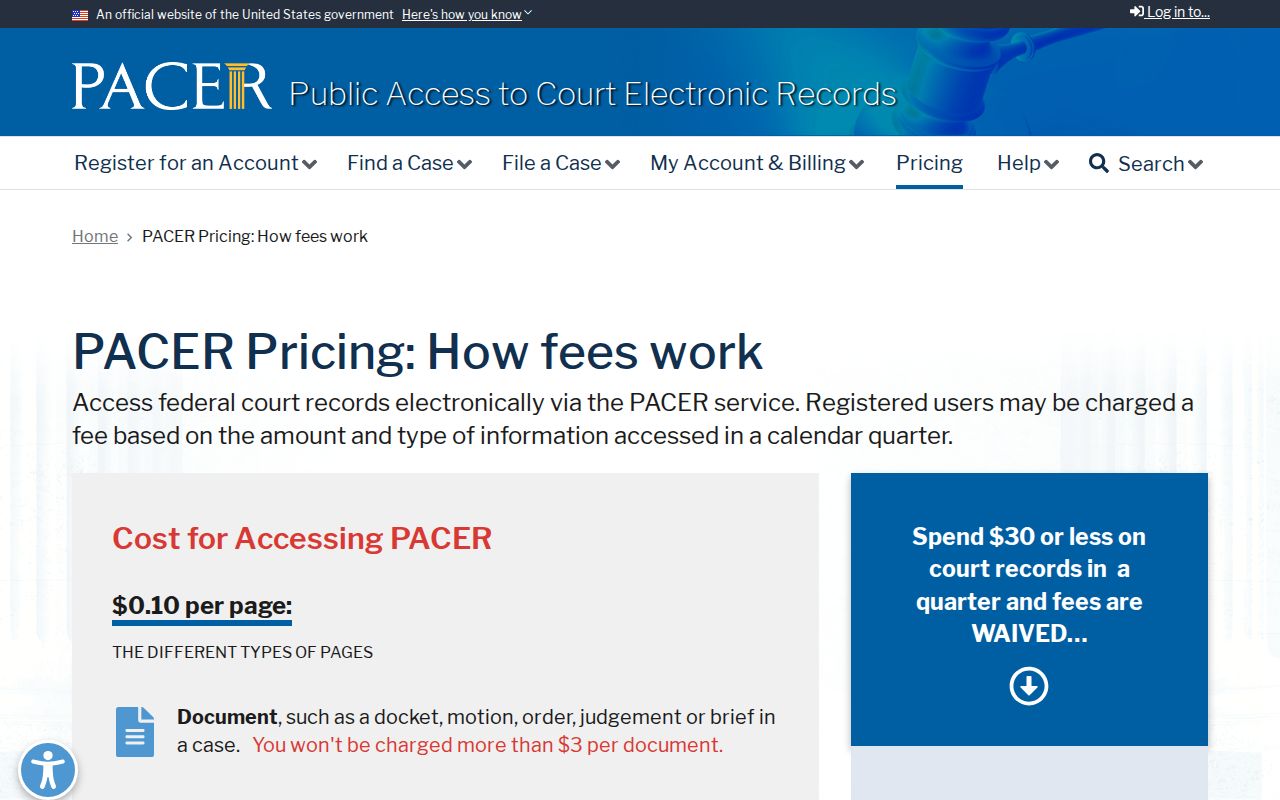
Howard County sits inside the U.S. Marshals Northern District of Texas, so a federal warrant travels a different route than anything local. Big Spring's city-citation portal will not confirm one. Neither will the county's local Tyler link. For a federal case, go through an attorney or an official federal channel. The U.S. Marshals page lists the North Texas Fugitive Task Force at 972-595-5450. PACER works as a federal docket tool rather than a universal warrant certificate. Searches that return no match can still trigger fees, and sealed process may never surface there. The PACER pricing page lays out the access charges, and that official page covers federal record access rather than any individual warrant record.
A local no-result does not answer whether a federal hold exists.